

-100x100w.png)









How to Choose a Lamp Post: A Guide to Proper Sizing
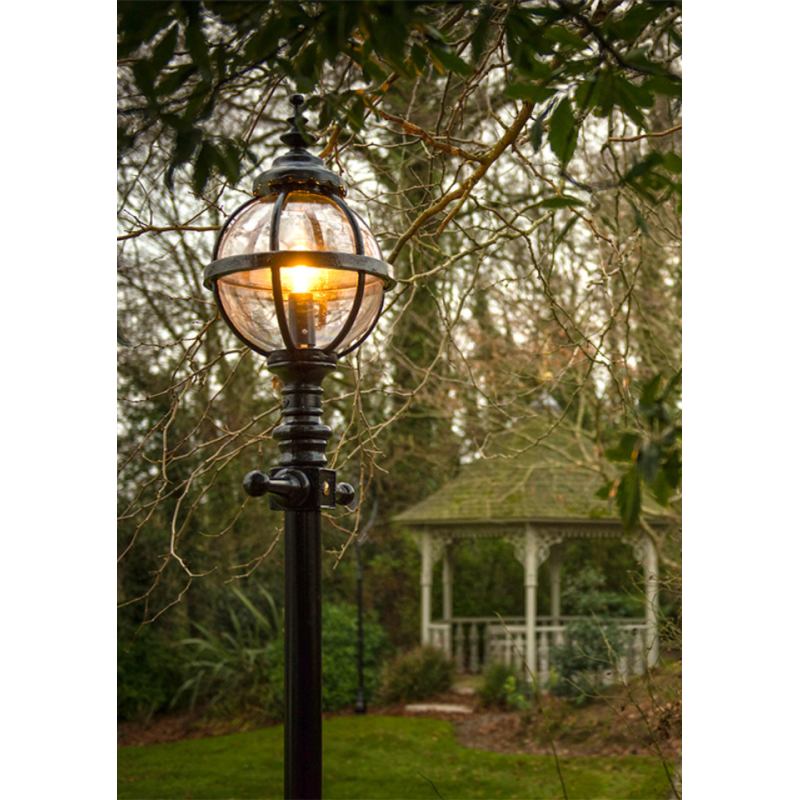
Have you ever wondered how lamp posts can stand firmly while spreading light effectively across outdoor spaces? Behind this lies thoughtful engineering, where both height and weight play an important role.
Choosing the right lamp post is not just about appearance—it’s also about function, safety, and comfort. With the right dimensions, you can create lighting that feels natural, secure, and pleasant to be around.
Standard Height and Weight
Lamp posts for gardens and smaller outdoor areas come in a range of sizes, but typically:
- Height: approximately 1.4 to 4 meters
- Weight: varies depending on material and construction
The ideal height depends mainly on where the post will be installed and the type of lighting you want to achieve.
How Is the Height Determined?
The height of a lamp post directly affects how the light spreads and how the space is experienced.
Lower posts create a more focused and intimate light, while taller posts distribute light over a wider area and provide a more even result. However, light intensity decreases over distance, which means taller posts often require more powerful fixtures.
The key is to find the right balance between coverage and visual comfort.
Choosing the Right Height for Gardens and Pathways
Different parts of a garden require different lighting solutions.
1.4–2 meters – for paths and small areas
Lower lamp posts are ideal for walkways, entrances, and smaller garden spaces. The light feels close and soft, creating a welcoming atmosphere without causing glare.
2–3 meters – for medium-sized gardens
This height works well in most gardens, offering a good balance between coverage and comfort. It’s suitable for patios, driveways, and smaller lawns.
3–4 meters – for larger areas
Taller lamp posts are used when you want to illuminate larger sections of a garden, such as open lawns or wider spaces. They provide a more even spread of light but require the right light output to avoid appearing too dim.
Placement and Spacing
The distance between lamp posts is closely related to their height.
Lower posts need to be placed closer together to avoid dark spots, while taller posts can be spaced further apart since their light covers a larger area. For best results, the light from each post should slightly overlap to create a smooth and consistent lighting effect.
What Affects the Weight?
The weight of a lamp post depends mainly on its height, material, and construction.
Taller posts require more material and are therefore heavier, which also improves stability. The choice of material, such as aluminum or steel, affects both durability and resistance to weather conditions.
Key Factors to Consider
When choosing a lamp post, it’s important to consider the overall setting:
Application
Think about where the post will be placed and what role the lighting should serve.
Light output
Make sure the fixture matches the height so the light reaches the ground without causing glare.
Surroundings
Trees, buildings, and other obstacles can affect how the light spreads.
Maintenance
Taller posts may be harder to access for maintenance, such as bulb replacement.
Common Mistakes to Avoid
A common mistake is choosing posts that are too tall for small gardens, which can create a harsh and overly exposed look. Similarly, posts that are too low in larger areas may result in uneven lighting.
It’s also important not to underestimate light output. Too little light at a higher height will be ineffective, while too much light at a lower height can feel uncomfortable and glaring.
Summary
Lamp posts play an important role in outdoor lighting and should be chosen carefully. By adjusting height, placement, and light output to your space, you can create a solution that is both functional and visually appealing.
If you’d like help choosing the right lamp posts for your project, feel free to contact us for tailored advice and solutions.